Imagine planning a camping trip, reading a history book, or searching for a traditional Native American dwelling, and suddenly you find two different spellings: teepee or tipi. You are not the only one confused by this difference. Many people search this term every month because they are unsure which spelling is correct and whether the two words have different meanings.
This spelling confusion often happens because of changes in language, pronunciation, and modern usage. The words look different, but understanding their background can make the choice much easier.
In this guide, you will discover the correct usage of teepee or tipi, learn why both forms exist, see clear examples, and avoid making the same mistake in the future. Keep reading to find the answer and understand this word better.
Quick Answer
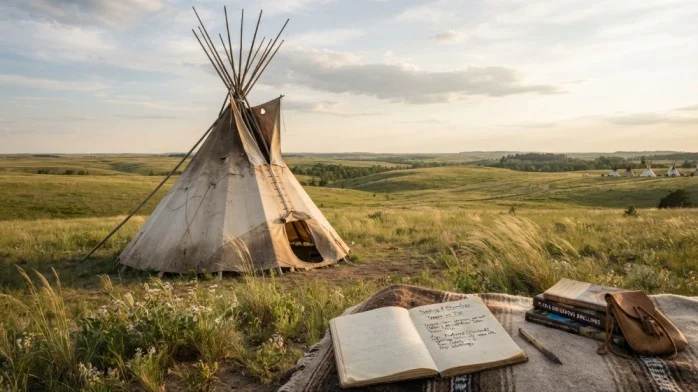
Tipi is the original and widely accepted spelling of the traditional cone-shaped home used by some Indigenous peoples of North America. Teepee is a common English spelling that represents the pronunciation of the word. Both forms refer to the same structure, but tipi is preferred in many modern and academic contexts.
The Origin of Teepee or Tipi
The word tipi comes from the Lakota language, one of the Indigenous languages of the Great Plains. It comes from the Lakota word thípi, which means a dwelling or a place where one lives. The term describes the portable, cone-shaped shelters traditionally used by several Plains Indigenous nations.
The original pronunciation of the word influenced how English speakers wrote it. Since English spelling often changes foreign words to match familiar sounds, the spelling teepee developed over time. The spelling reflects the sound of the word when spoken aloud.
For many years, teepee became the most common spelling in English-language books, museums, and general writing. However, many historians, educators, and Indigenous communities now prefer tipi because it is closer to the original spelling and cultural meaning.
The difference between these spellings is not about two separate objects. Both words describe the same type of traditional shelter made with poles and coverings, often animal hides in historical use.
British English vs American English Spelling
Unlike words that change because of British and American spelling rules, such as colour and color, the difference between teepee and tipi is not a UK versus US spelling issue.
Both forms are used in English-speaking countries. The choice depends more on style, audience, and respect for the original language.
| Usage Area | Common Spelling | Example |
|---|---|---|
| Modern academic writing | Tipi | Researchers studied traditional tipi designs. |
| Museums and cultural articles | Tipi | The exhibit explains how tipis were built. |
| General English writing | Teepee | Children learned about Native American teepees. |
| Older books and popular media | Teepee | The story described a teepee village. |
| Cultural or historical discussions | Tipi | The tipi has deep cultural importance. |
Is One Spelling More Correct?
There is no simple British or American rule that makes one spelling correct and the other wrong. However, tipi is often considered the more accurate and respectful spelling because it connects directly with the original Indigenous term.
Teepee is still understood and widely used, especially in casual writing, children’s books, and general searches.
Why Is There Confusion Between “Teepee or Tipi”?
The confusion between these two spellings happens for several reasons.
Different English Adaptations
When words move from one language into another, spelling often changes. English speakers frequently write unfamiliar sounds in a way that feels natural to them.
For example, the pronunciation of tipi sounds like “tee-pee,” which led many writers to create the spelling teepee.
Pronunciation-Based Spelling
Many people spell words based on how they hear them. Since tipi is pronounced with two clear syllables, people often write it as teepee because it matches the sound.
This type of spelling change is common with borrowed words.
Historical Usage
Older sources often use teepee, which makes people believe it is the only correct form. Books, movies, and educational materials helped spread this spelling for many decades.
Today, newer sources may use tipi, creating uncertainty for readers who see both versions.
Search Behavior and Online Confusion
People often type the version they remember hearing. Search engines may show results for both spellings because they understand that users are looking for the same object.
Someone searching for teepee or tipi is usually trying to learn:
- Which spelling is correct
- Whether both words mean the same thing
- Which spelling should be used in writing
- Why different websites use different forms
Which Spelling Should You Use?
The best spelling depends on your audience and purpose.
For Academic and Educational Writing
Use tipi when writing research papers, history articles, museum content, or educational materials. It is closer to the original word and is commonly preferred by experts.
Example:
- The tipi was designed to be easily moved across the plains.
For General Readers
Teepee is acceptable in casual writing because most English speakers recognize it immediately.
Example:
- The children built a small teepee in the backyard.
For Global Audiences
If your goal is to reach readers from different countries, using tipi may be the better choice. It avoids treating the word as only an English adaptation.
You can also mention both forms when needed:
- A tipi, also commonly spelled teepee, is a traditional cone-shaped shelter.
For Formal Writing
In formal content, consistency matters most. Choose one spelling and use it throughout the entire piece.
A good approach is:
- Introduce both spellings once
- Explain the preferred form
- Continue using one spelling consistently
Common Mistakes with Teepee or Tipi
Many people make mistakes because they are unsure whether the two forms are different words.
Mistake: Thinking Teepee and Tipi Are Different Structures
Incorrect:
- A tipi and a teepee are two different types of shelters.
Correct:
- A tipi and a teepee are different spellings for the same traditional shelter.
Mistake: Calling Tipi an Incorrect Spelling
Incorrect:
- Tipi is a misspelling of teepee.
Correct:
- Tipi is the original spelling, while teepee is an English adaptation.
Mistake: Using Both Spellings Randomly
Incorrect:
- The tipi was covered with animal skins. The teepee had wooden poles.
Correct:
- The tipi was covered with animal skins. The tipi had wooden poles.
Mistake: Assuming Teepee Is Only American English
Incorrect:
- Teepee is the American spelling and tipi is the British spelling.
Correct:
- The difference is not based on British or American English rules.
Teepee or Tipi in Everyday Examples
Understanding how to use teepee or tipi correctly becomes easier when you see real examples. Both spellings can appear in different types of writing, but tipi is often preferred in modern educational and cultural contexts.
In Emails
In professional or educational emails, tipi is usually the better choice because it is more closely connected to the original term.
Example:
- The history class will learn how traditional tipis were built and used by Indigenous communities.
- Our museum program includes a lesson about the design and importance of the tipi.
In News Articles
News organizations may use tipi when discussing Indigenous history, culture, or events.
Example:
- The exhibition features a traditional tipi created using historical building methods.
- Visitors learned about the role of the tipi in the daily lives of Plains Indigenous peoples.
In Social Media Posts
On social media, both spellings appear because users often choose the version they recognize.
Examples:
- We visited a cultural event and saw a beautiful tipi display.
- The kids loved building a small teepee during their outdoor activity.
In Formal Writing
For books, reports, and educational content, tipi is generally recommended.
Example:
- The tipi was designed to provide warmth, mobility, and protection in changing weather conditions.
In Casual Conversation
Many people still say and write teepee in everyday conversations.
Example:
- We saw a small teepee-style tent at the camping store.
However, when writing about Indigenous cultures, using tipi shows greater awareness of the word’s origin.
Google Trends & Usage Behavior
People searching for teepee or tipi are usually looking for spelling clarification rather than two different meanings. The main search intent is to understand why both versions exist and which one should be used.
Many searches come from users who:
- Hear the word but are unsure how to spell it
- See different spellings on websites and books
- Need the correct spelling for school assignments
- Want to write about Native American history accurately
- Are looking for camping or cultural information
The spelling teepee often appears in general searches because it matches the pronunciation people hear. The spelling tipi is more common in academic, cultural, and historical discussions.
Search engines usually connect both terms because they represent the same traditional structure. This means users searching either spelling are generally looking for the same information.
Regional and audience differences also affect spelling choices:
- North American readers may recognize both versions.
- Students and researchers often encounter the spelling tipi.
- General readers may be more familiar with teepee from books, movies, and popular culture.
The best writing approach is to understand the audience and choose the spelling that fits the context.
Comparison Table
| Word Variation | Meaning | Correct/Incorrect Usage | Context of Use |
|---|---|---|---|
| Tipi | A traditional cone-shaped shelter used by some Indigenous peoples of North America | Correct and widely preferred in modern writing | Academic writing, cultural articles, museums, history content |
| Teepee | An English spelling that represents the pronunciation of tipi | Correct but less preferred in many formal contexts | Casual writing, older sources, general audiences |
| Tepee | Another spelling variation of the same word | Correct but less common | Older dictionaries and historical references |
| Tee pee | A separated version based on pronunciation | Usually avoided in modern writing | Informal writing or spelling mistakes |
FAQs About Teepee or Tipi
What is the correct spelling of teepee or tipi?
The spelling tipi is generally considered the most accurate and preferred form today because it comes closer to the original Indigenous word. Teepee is also recognized and used in English, especially in casual writing. Both spellings describe the same traditional cone-shaped shelter.
Is teepee a real word?
Yes, teepee is a real English word. It developed as a spelling that matches the pronunciation of tipi. While it is widely understood, many modern writers prefer tipi because it reflects the original language and cultural connection of the term.
Why do people confuse teepee and tipi?
People confuse these spellings because they sound exactly the same when spoken. The pronunciation naturally leads many people to write teepee. Historical books, movies, and online content have also used both versions, making it difficult for readers to know which spelling is preferred.
Which spelling is correct in English?
Both tipi and teepee are accepted English spellings. However, tipi is often preferred in modern educational and cultural writing. The choice depends on the purpose of your writing, but using the original spelling is usually recommended for formal contexts.
Is teepee a typo for tipi?
No, teepee is not simply a typo. It is an accepted English spelling that developed from the way the word sounds. However, if you are writing about Indigenous culture, history, or education, many experts recommend using tipi instead.
Do tipi and teepee mean the same thing?
Yes, both words refer to the same type of traditional shelter. They describe a cone-shaped dwelling made with poles and coverings. The difference is only in spelling, not meaning. The word tipi is closer to its original form, while teepee is an English adaptation.
Should I use tipi or teepee in an essay?
For essays, reports, and school projects, tipi is usually the better choice. It is widely used in modern educational materials and is closer to the original term. If you use teepee, it is still understandable, but make sure your spelling stays consistent throughout your writing.
Why does Google show both teepee and tipi?
Google shows both spellings because people search for both terms and both refer to the same object. Search engines understand that users may type different versions based on pronunciation, previous learning, or spelling habits. Both searches usually lead to information about the traditional shelter.
Conclusion
The difference between teepee or tipi is mainly about spelling preference, not meaning. Both words describe the same traditional cone shaped shelter, but tipi is often preferred because it is closer to the original Indigenous term and is commonly used in modern educational and cultural writing.
The spelling teepee is still correct and widely understood, especially in casual English and older sources. When choosing between the two, consider your audience and purpose. For formal, academic, or respectful cultural writing, tipi is usually the best choice. Understanding this spelling difference helps you write more accurately and avoid confusion.
Read More Related Articles:
Learn the Difference, Meaning, and Correct Usage in 2026
Cocoa or Cacao | What’s the Difference and Which Word …
Imput or Input | Which Spelling Is Correct? Meaning …